Why most conflict resolution fails — and what to do instead
SEPTEMBER 11, 2025 BY SHIVAANI TALESRA
Not All Conflict Is Harmful
Let’s start with a truth that makes many leaders uncomfortable: Not all conflicts at the workplace are bad.
In fact, differences of opinion are often essential for:
- Innovation (challenging assumptions, exploring alternatives)
- Diverse perspectives (bringing blind spots to light)
- Healthy challenge (preventing groupthink and complacency)
Teams that never disagree are often teams that have stopped thinking critically. They’ve prioritised comfort over growth, harmony over truth.
But here’s the problem: Most leaders struggle to manage conflict effectively.
And it’s not because they lack frameworks or models. Management literature is full of conflict resolution strategies, communication techniques, and negotiation tactics.
So why does conflict still derail teams, damage relationships, and drain energy?
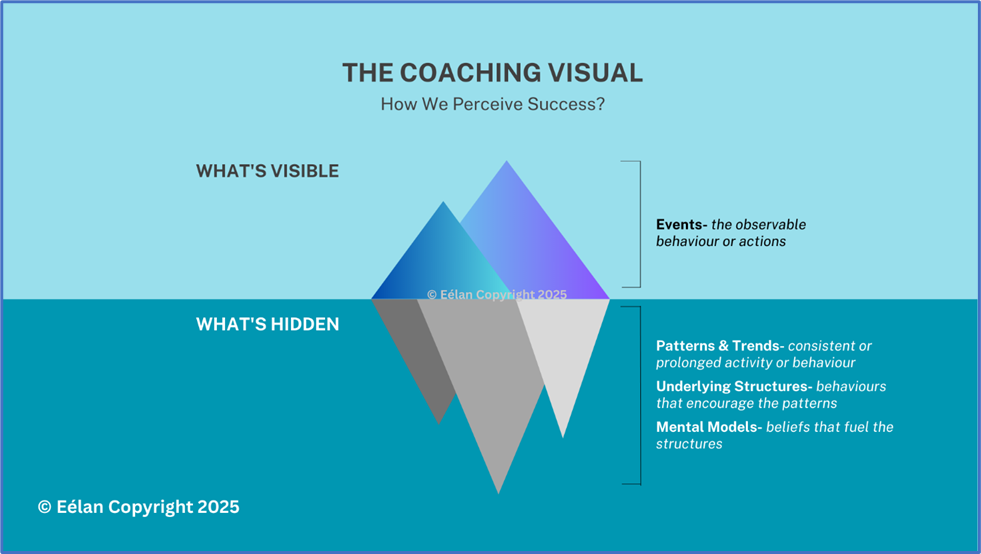
Because most conflict isn’t really about what’s being discussed. It’s about what’s unspoken underneath.
The Truth We Don’t Talk About Enough
Here’s what’s missing from most conflict management training:
Real team conflict often arises not from surface-level disagreement, but from unspoken inner dynamics.
Let me explain.
When two team members are locked in a heated debate, it may look like they’re arguing about strategy, priorities, or approach.
But often, what’s actually happening is something deeper:
- A hidden tussle of inner uncertainty (“Am I right? What if I’m wrong? What will people think?”)
- A struggle for validation (“I need them to see that my perspective matters.”)
- An unconscious drive for self-protection (“If I back down, I’ll lose credibility.”)
And when the leader steps in to “resolve” the conflict?
If they’re approaching it from their own place of doubt or internal contradiction, the conflict doesn’t get resolved. It gets amplified.
The Split Energy That Sabotages Conflict Resolution
Picture this scenario:
Two strong voices in a room, both defending their stance. Both convinced they’re right.
On the surface, it’s a debate of ideas.
But underneath? It’s often a hidden battle of insecurity.
And if the leader facilitating the conversation is carrying their own split energy, the conflict becomes less about finding solutions and more about managing egos.
What Is Split Energy?
Split energy is when your inner dialogue contradicts your outer actions.
It shows up like this:
“I know this is the right call… but I’m not sure they’ll agree.”
“I want to listen to both sides… but I also need to be heard.”
“I should stay neutral… but I already have an opinion.”
“I need to make a decision… but what if I’m wrong?”
When a leader carries this split energy into a conflict situation, it creates confusion. The team senses the leader’s uncertainty, even if it’s never spoken aloud.
And that uncertainty — that internal wobble — makes it nearly impossible to hold space for opposing views without letting personal bias, fear, or defensiveness creep in.
The Real Work of Conflict Resolution
Most conflict resolution training focuses on some essential external skills:
- Active listening
- Reframing statements
- Finding common ground
- Negotiating a compromise
These are useful. But sometimes not enough.
Conflict resolution isn’t just about picking a side or quickly solving a problem.
It’s about facilitating conversations from a neutral, anchored place.
And that requires:
- Emotional clarity — Knowing where you stand internally so you can stay neutral externally.
- Presence — Being fully in the room, not distracted by your own inner noise.
- The ability to hold space for opposing views without collapsing into one perspective or the other.
This is the inner work of leadership that rarely gets taught.
When Conflict Is About Self-Protection, Not Solutions
Here’s a pattern I see repeatedly in teams:
A conflict emerges. It seems like it’s about the issue at hand (a project decision, resource allocation, strategic direction).
But as the conversation unfolds, it becomes clear:
The conflict is less about finding the best solution and more about each person protecting their position. Why?
Because when people approach conflict from a place of inner uncertainty, they’re not actually debating ideas. They’re defending themselves.
They’re thinking:
- “If I’m wrong, what does that say about me?”
- “If they win this argument, do I lose credibility?”
- “If I back down, will people see me as weak?”
And when a leader steps into this dynamic without first grounding themselves, they unconsciously add to the split energy.
They might say:
- “Let’s hear both sides” — while already leaning toward one
- “I’m open to input” — while mentally defending their own view
- “We need to decide” — while avoiding the discomfort of actually deciding
The team picks up on this. And the conflict deepens — not because the issue is unresolvable, but because no one is creating the conditions for real dialogue.
The Untrained Inner Dialogue Shapes Outer Conversations
Think about the last time you were in a tense meeting. Maybe two team members were locked in disagreement, and you, as the leader, had to step in.
Now think about what was happening inside your own mind in that moment:
- Were you calm and centred? Or anxious and reactive?
- Were you curious about both perspectives? Or already forming judgments?
- Were you present? Or mentally rehearsing what you’d say next?
Your inner state — your thoughts, emotions, assumptions, and biases — directly shapes how the conversation unfolds.
If you’re internally conflicted, the conversation will reflect that conflict.
If you’re defensive, the team will become defensive.
If you’re rushing to resolve, the team will sense your impatience and shut down.
This is why conflict management isn’t just a team skill. It’s also a personal practice.
It begins with inner clarity and a willingness to listen beyond the words.
What Inner Clarity Looks Like
What does it mean to approach conflict from a grounded, anchored place?
It means:
1. To Be Clear on Your Own Stance
You know where you stand — not in a rigid, “I’m right, and they’re wrong” way, but in a grounded, “Here’s what I believe and why” way.
This clarity allows you to hold your perspective without needing to defend it.
You can listen openly because you’re not worried about losing your footing.
2. Not Attached to Being Right
You’re genuinely curious about other perspectives — not because you’re trying to be polite, but because you recognise that you might be missing something.
This humility creates space for real dialogue.
3. Can Regulate Your Emotions in Real-Time
When tension rises, you don’t get swept up in it. You notice what’s happening — in the room and inside yourself — and you choose how to respond.
This emotional regulation allows you to stay present, even when things get uncomfortable.
4. You’re Focused on the Relationship, Not Just the Issue
You understand that how you navigate this conflict matters as much as what gets decided.
You’re not just solving a problem. You’re building (or eroding) trust, psychological safety, and team cohesion. You understand it’s about the matter at hand, not about the person.
The Split Energy Trap: A Real Example
Let me give you an example of how split energy shows up in conflict situations.
Scenario:
Two senior leaders on your team are debating whether to pivot strategy mid-quarter. One believes the market has shifted, and the team needs to adapt. The other believes consistency is key, and changing direction now will create confusion.
Both have valid points. Both are invested. Both are getting more entrenched. As their leader, you need to facilitate a resolution.
Split Energy Response:
Your internal dialogue:
“I think Leader A is right, but Leader B has been here longer and will be upset if I side against them. I need to keep both of them happy. Maybe I can find a compromise that satisfies everyone.”
What happens:
- You ask both leaders to “meet in the middle” even though that’s not the best strategic move
- You avoid making a clear decision because you don’t want to upset anyone
- Both leaders sense your hesitation and lose confidence in your leadership
- The conflict doesn’t resolve — it just goes underground
Grounded Response:
Your internal dialogue:
“Both perspectives have merit. I need to understand the data behind each stance, the risks of each path, and what’s best for the business — not just what keeps the peace.”
What happens:
- You ask clarifying questions to surface the assumptions behind each view
- You acknowledge the validity of both perspectives without collapsing into either
- You make a clear decision based on strategic priorities —and communicate the reasoning transparently
- Both leaders may not agree, but they respect the process and move forward
The difference?
In the first scenario, you’re managing your own discomfort.
In the second, you’re leading from clarity.
Building the Inner Capacity to Lead Through Conflict
So how do you develop this inner clarity? How do you move from split energy to groundedness?
1. Notice Your Patterns
Start paying attention to how you show up in conflict situations.
- Do you avoid difficult conversations?
- Do you rush to resolve before fully understanding?
- Do you take sides unconsciously?
- Do you people-please to keep the peace?
Awareness is the first step.
2. Do Your Own Inner Work
Read or attend training to understand the right conflict-resolution techniques. Moreso, work with a coach, mentor, or therapist to explore:
- Where your split energy comes from (fear of judgment? need for approval? perfectionism?)
- What triggers you in conflict (certain people? certain topics? certain dynamics?)
- What beliefs do you carry about conflict (Is it inherently bad? A sign of dysfunction? Something to avoid?)
3. Practice Emotional Regulation
Train your team on Emotional Regulation. Build practices that help you stay grounded in high-pressure moments:
- Breathwork or mindfulness to calm your nervous system
- Pausing before responding (even 3 seconds can shift your response)
- Checking in with yourself: “What am I feeling right now? What do I need in this moment?”
4. Develop Neutral Facilitation Skills
Learn to hold space for opposing views without needing to fix, judge, or choose sides prematurely.
- Ask open-ended questions
- Reflect on what you’re hearing without editorialising
- Acknowledge emotions without being consumed by them
- Create structure for dialogue (e.g., “Let’s hear from each person uninterrupted, then explore together”)
Reflection Questions for Leaders
As you think about how you navigate conflict in your team, ask yourself:
- Where does my split energy show up?
- Am I trying to resolve conflict — or avoid discomfort?
- Do I create space for opposing views, or do I subtly (or not so subtly) push toward my preferred outcome?
- What would change if I approached conflict as an opportunity to build trust, not just solve problems?
- Where do I need to do my own inner work so I can show up more grounded?
Path to Inner Clarity
One of the most powerful benefits of experiential training sessions is that they help you learn conflict management techniques, practice in a safe environment, and reflect on the deeper blocks that might be holding you back.
While training builds awareness and skills, executive coaching goes deeper — helping you resolve inner blocks and develop the capacity to lead through conflict with sustained effectiveness
Coaching provides:
- A safe space to explore your patterns, triggers, and split energy
- Real-time support in navigating difficult conversations
- Tools to build emotional regulation and groundedness
- Accountability to do the inner work that transforms how you show up
Because here’s the truth:
You can’t facilitate healthy conflict externally if you’re carrying unresolved conflict internally.
A combination of Experiential Sessions and/or Coaching can help you clear the inner clutter so you can lead with clarity, presence, and courage.
Ready to Lead Through Conflict with Clarity?
If you’re a leader navigating complex team dynamics, difficult conversations, or high-stakes conflict, you don’t have to do it alone.
Executive coaching provides the partnership, tools, and perspective you need to:
- Identify and address your split energy
- Build emotional regulation and presence
- Facilitate conversations from a neutral, anchored place
- Transform conflict from a threat into an opportunity for growth
Let’s talk about how curated facilitation and coaching can help your teams, and you lead through conflict with greater clarity, confidence, and impact.
Schedule a Confidential Discovery Call
Explore Our Leadership Development Programs
Learn About Executive Coaching
About the Author:
Shivaani Talesra is an ICF PCC and EMCC Senior Practitioner with expertise as an Executive & Leadership Coach, Senior Trainer & Facilitator, and HR/OD Consultant specialising in leadership growth, transition and presence, conflict resolution, and helping leaders navigate complex interpersonal dynamics. With 20+ years of senior leadership experience, she helps executives build the inner clarity and emotional regulation needed to lead through conflict effectively.
Key Takeaways
- Not all conflict is harmful — it’s essential for innovation and growth.
- Most conflict arises from unspoken inner dynamics, not just surface disagreements.
- Split energy (inner contradiction) sabotages conflict resolution.
- Effective conflict management requires emotional clarity, presence, and inner groundedness.
- You can’t facilitate healthy conflict externally if you’re carrying unresolved conflict internally.
- Executive coaching helps you build the inner capacity to lead through conflict.
Word Count: ~2,250-2,300 words
Reading Time: 9-10 minutes